Indigenous Resiliency Rooted in Wisdom
Synthesis by Sienna Thomas and Rachel Gallardo, with Danelle Baronia and Dr. Lynn Sweet
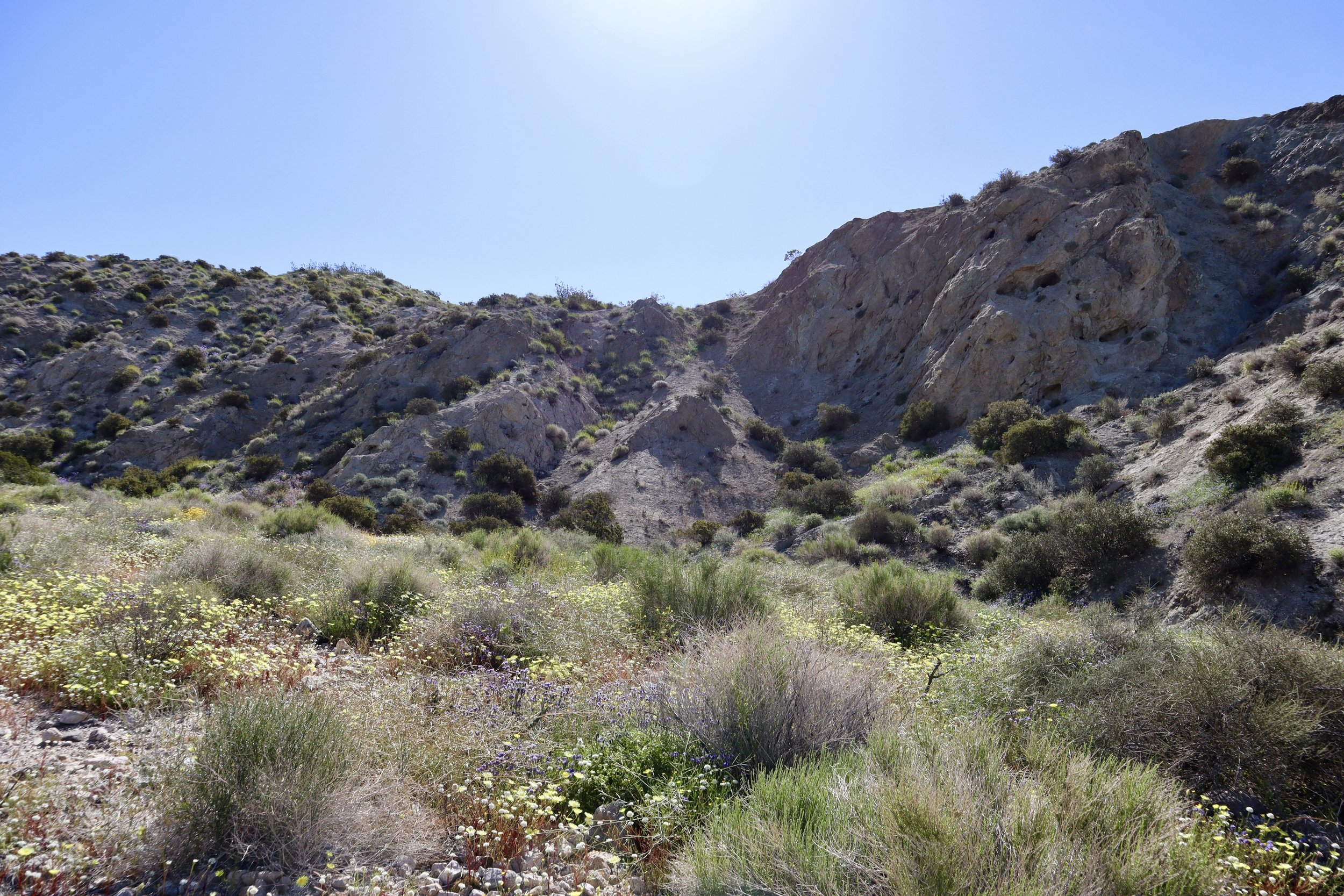
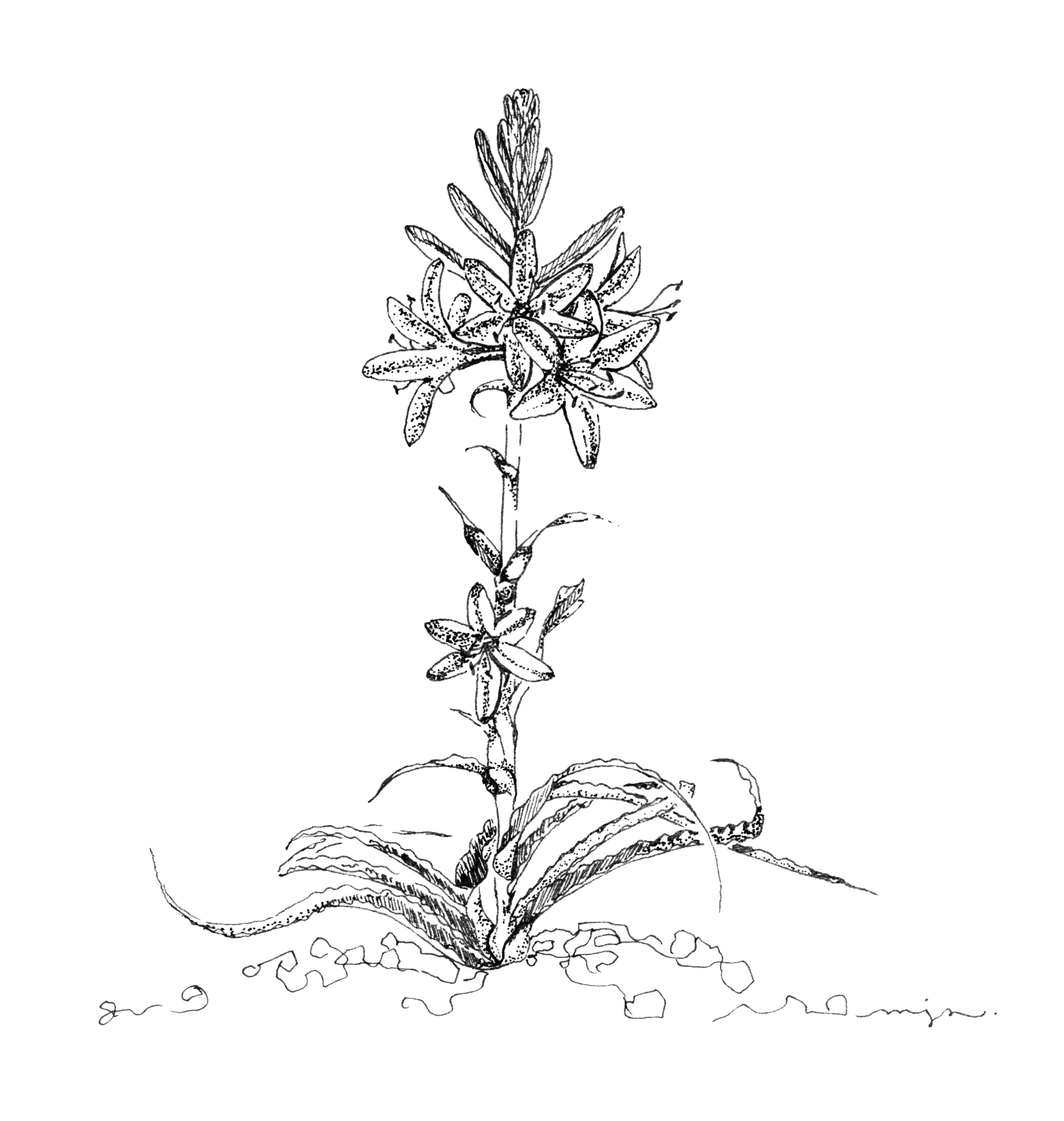
For Indigenous communities, the land is more than just a resource—it is a relative, a living being with whom we have a deep, reciprocal relationship. When we view the land as a living being, we care for it more, nurturing its well-being as it nurtures ours. Our ancestors have long observed and adapted to environmental changes, using Traditional Ecological Knowledge (TEK) to guide sustainable practices. This knowledge is not confined to the past; it is a living system of understanding that continues to help us navigate the challenges of today. To this end, we have worked closely with the local Indigenous peoples of the Coachella Valley to generate of plethora of information that aims to enhance resilience against climate change for the community as a whole.
Project Members
The following project members have contributed invaluable work to gather available information that focuses on Indigenous community resilience.
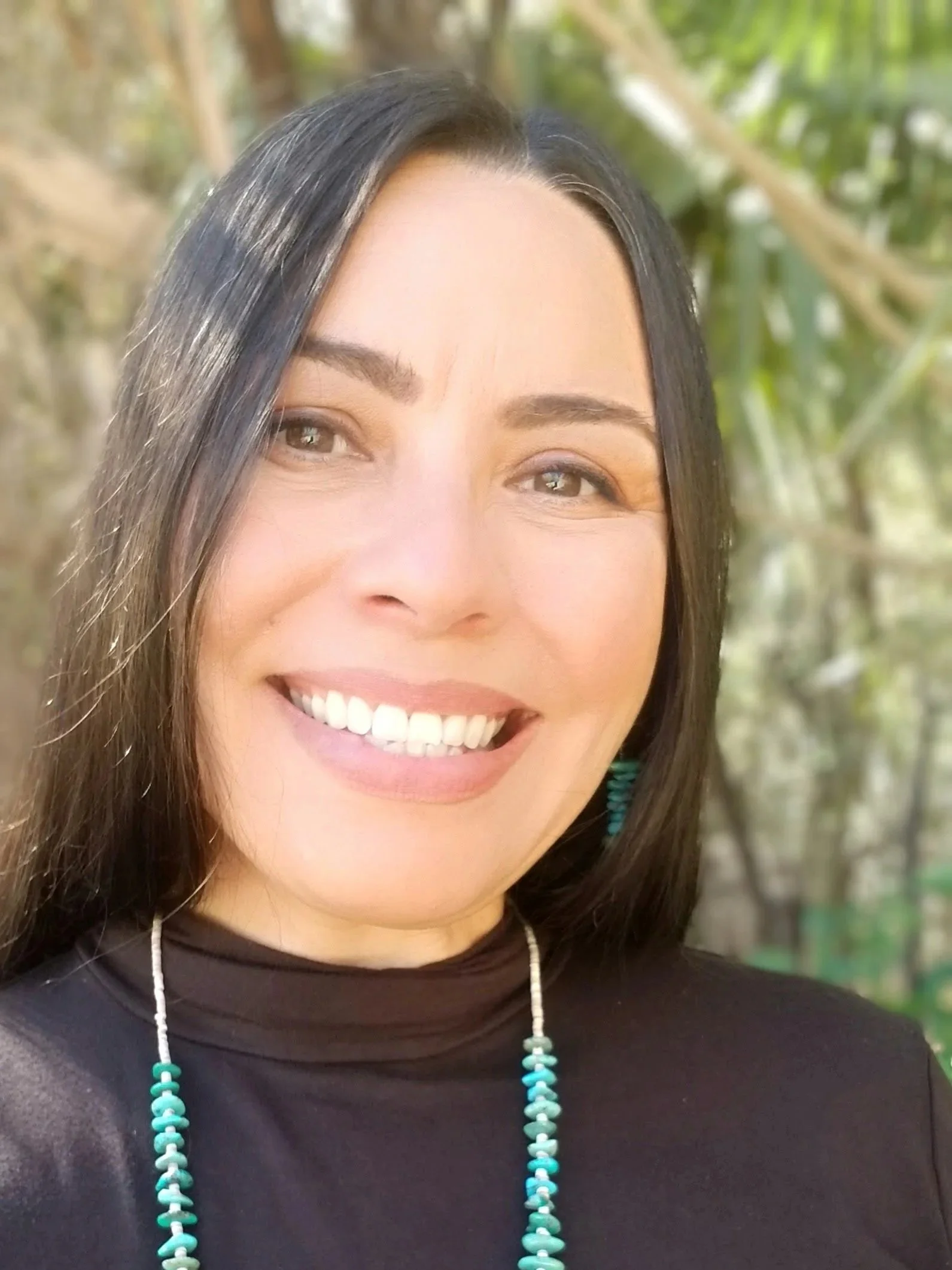
Sienna Thomas | Climate Resilience Scholar
With over 20 years of experience in conserving cultural resources and protecting natural resources, Sienna has deep expertise in ethnobotany and archaeology. Her passion for reconnecting people to the land drives her active roles in various local organizations and environmental and educational programs across the Coachella Valley. Her efforts aim to instill care and stewardship for local landscapes, combining cultural preservation with sustainable practices.
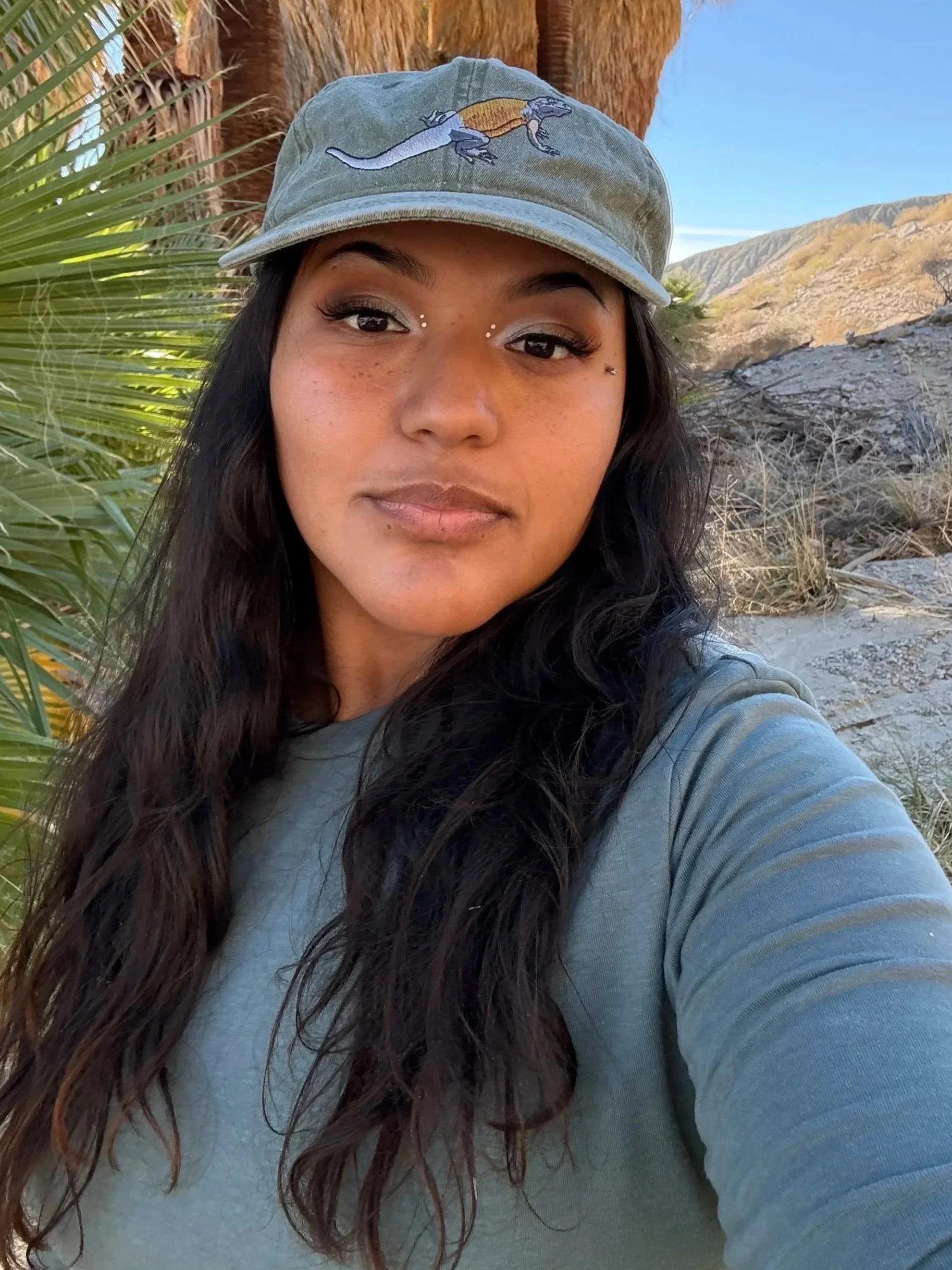
Rachel Gallardo | Junior Specialist
Rachel has over 5 years of experience leading at-risk youth in the field for public service conservation work. Within the Sweet lab, Rachel often splits her time between leading field projects and office learning. Her current role allows her to grow skills in academia while supporting conservation research on the ground.
“I am guided by my Indigenous roots to do what I can for the land.”
Community Reflection
Coachella Valley Voices
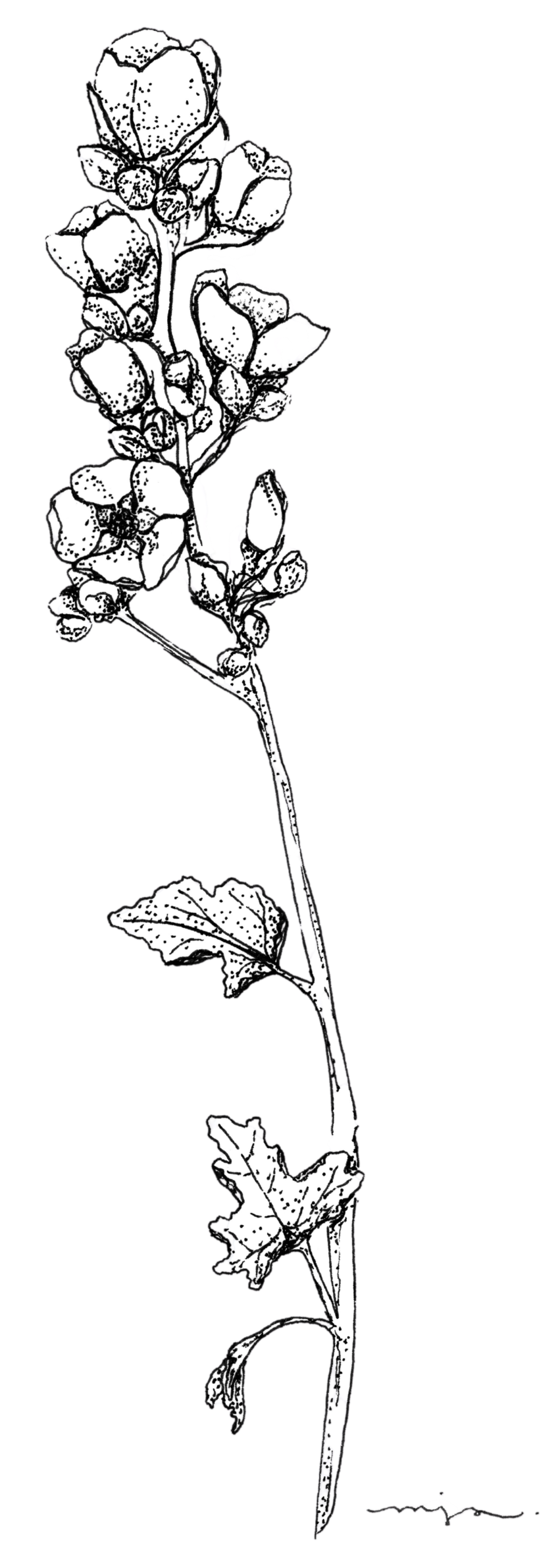
Indigenous residents from a variety of homelands within and around the Coachella Valley share their stories, memories, and concerns about climate change. Through their voices, we see how cultural, traditional and personal environments are being impacted.
This research was reviewed and approved by UCR Institutional Review Board, under protocol 30567, The Desert Climate Resilience Initiative for the Coachella Valley. Principal Investigator: Dr. Lynn Sweet
For questions about this research, please contact: Dr. Sweet at: lynn.sweet@ucr.edu
Within what is known as the Coachella Valley today are the traditional homelands of the Cahuilla people. For more about traditional homelands, languages and other information, visit https://native-land.ca/
Plants and Animals with Purpose
Get to know just some of the plants and animals mentioned by the Indigenous community of the Coachella Valley during our Community Voices interviews.
(Cahuilla name translations provided by Sienna Thomas)
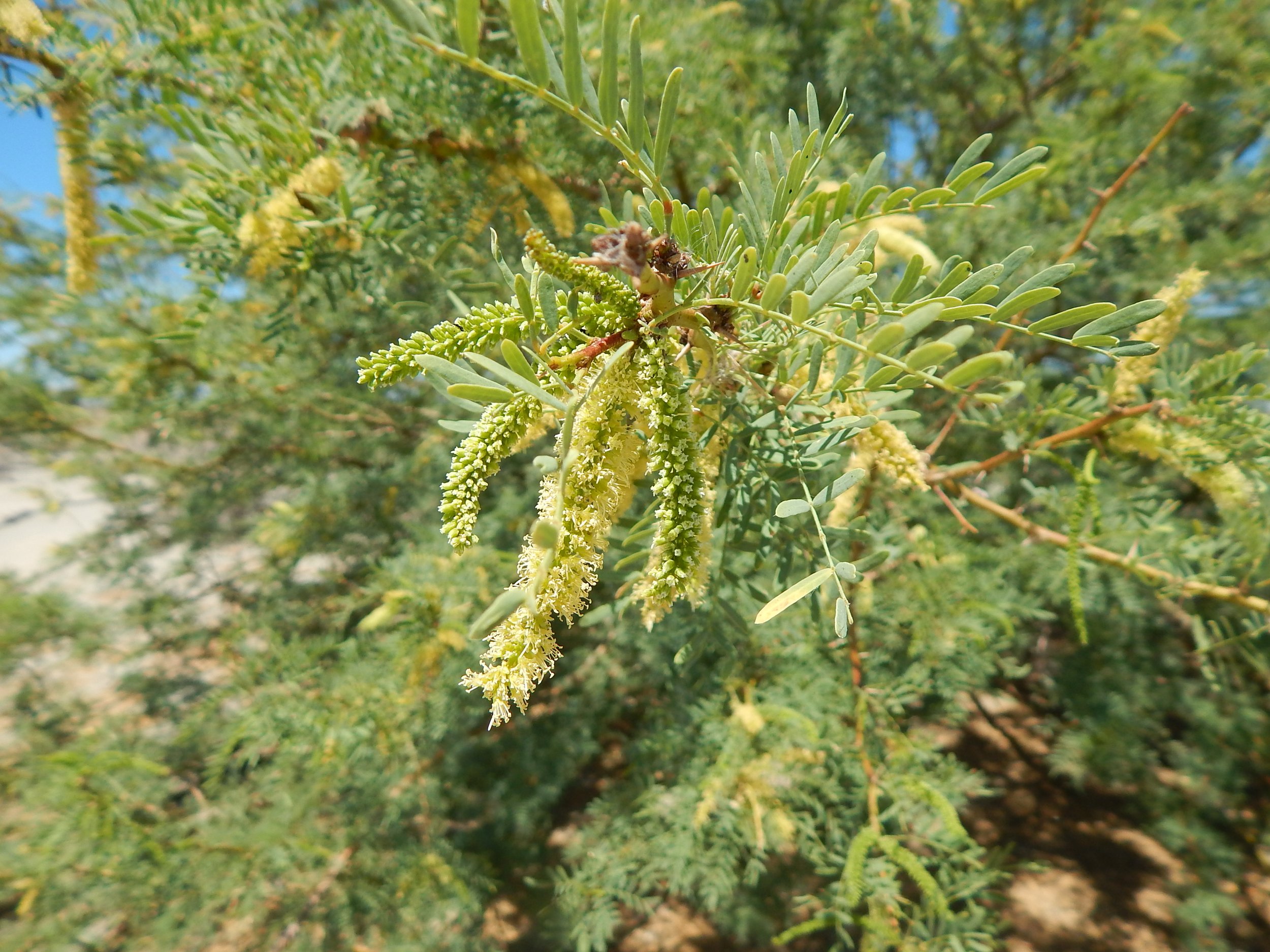
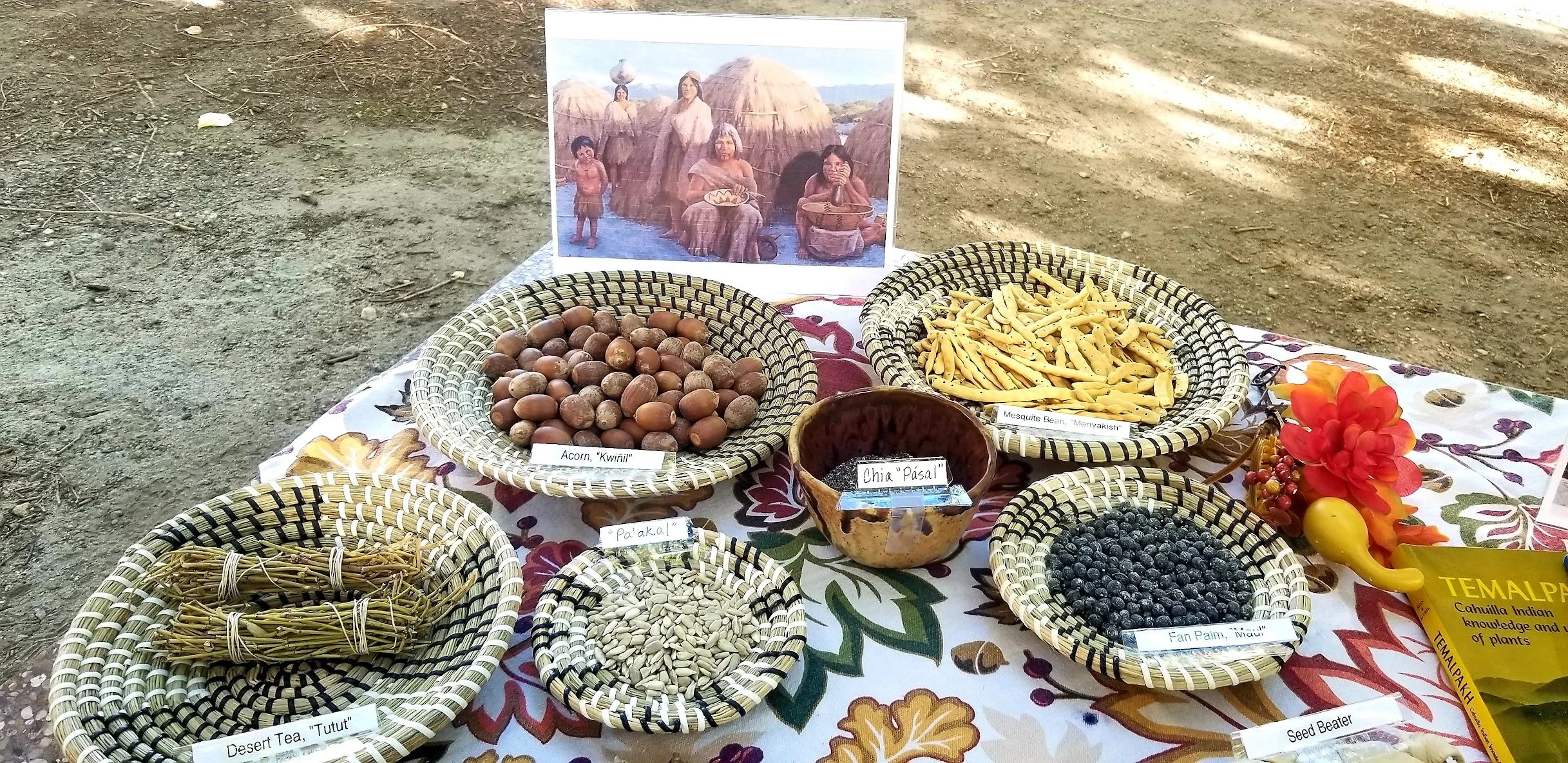
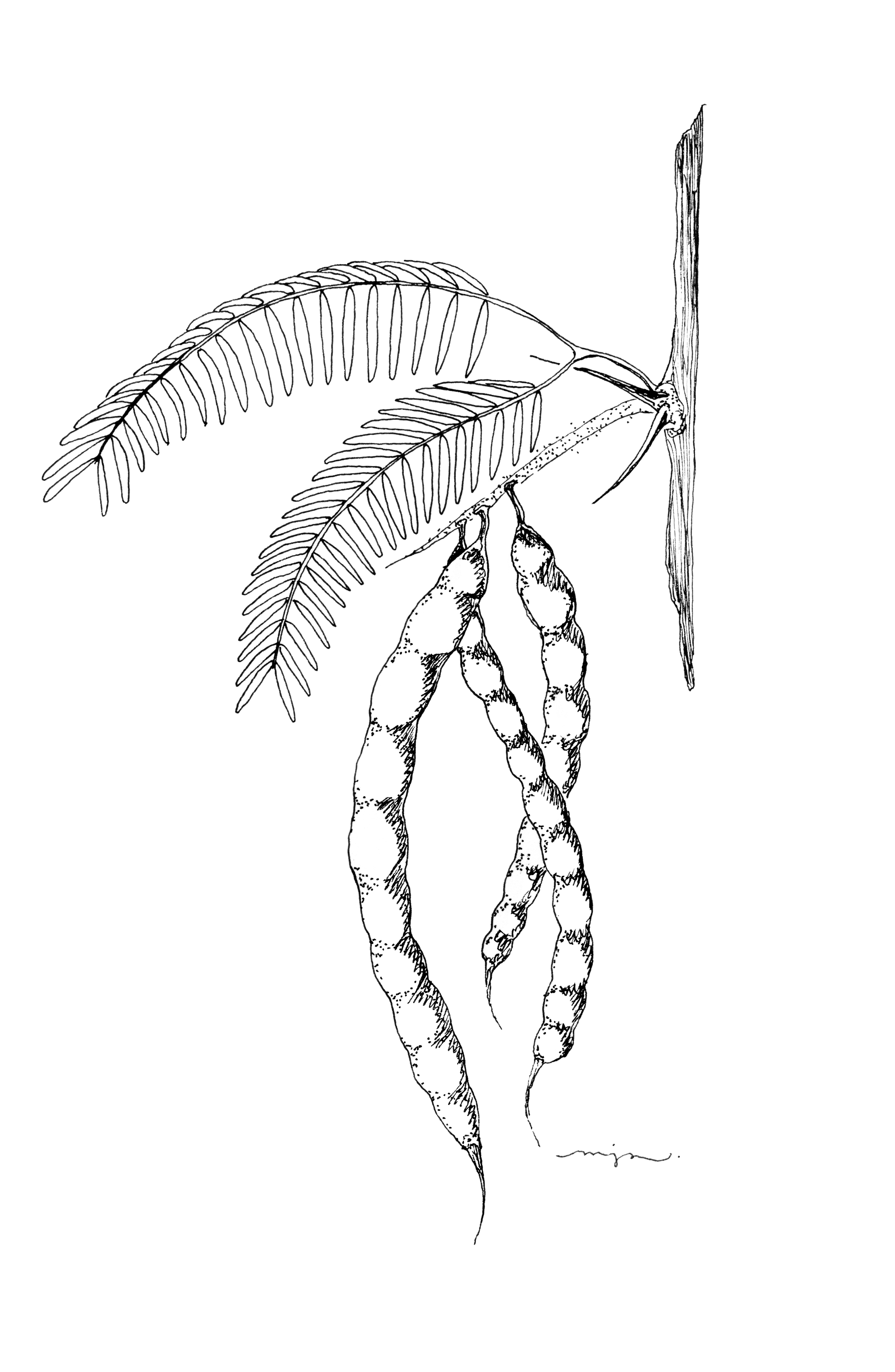
Honey mesquite | Ily | Neltuma odorata
Mesquite, including honey mesquite and screwbean mesquite, were used as an indicator that water sources were nearby in an otherwise barren area. Their roots access water deep below the desert surfaces. They also produce seed pods that can be eaten raw, processed into flour, porridges, and drinks.
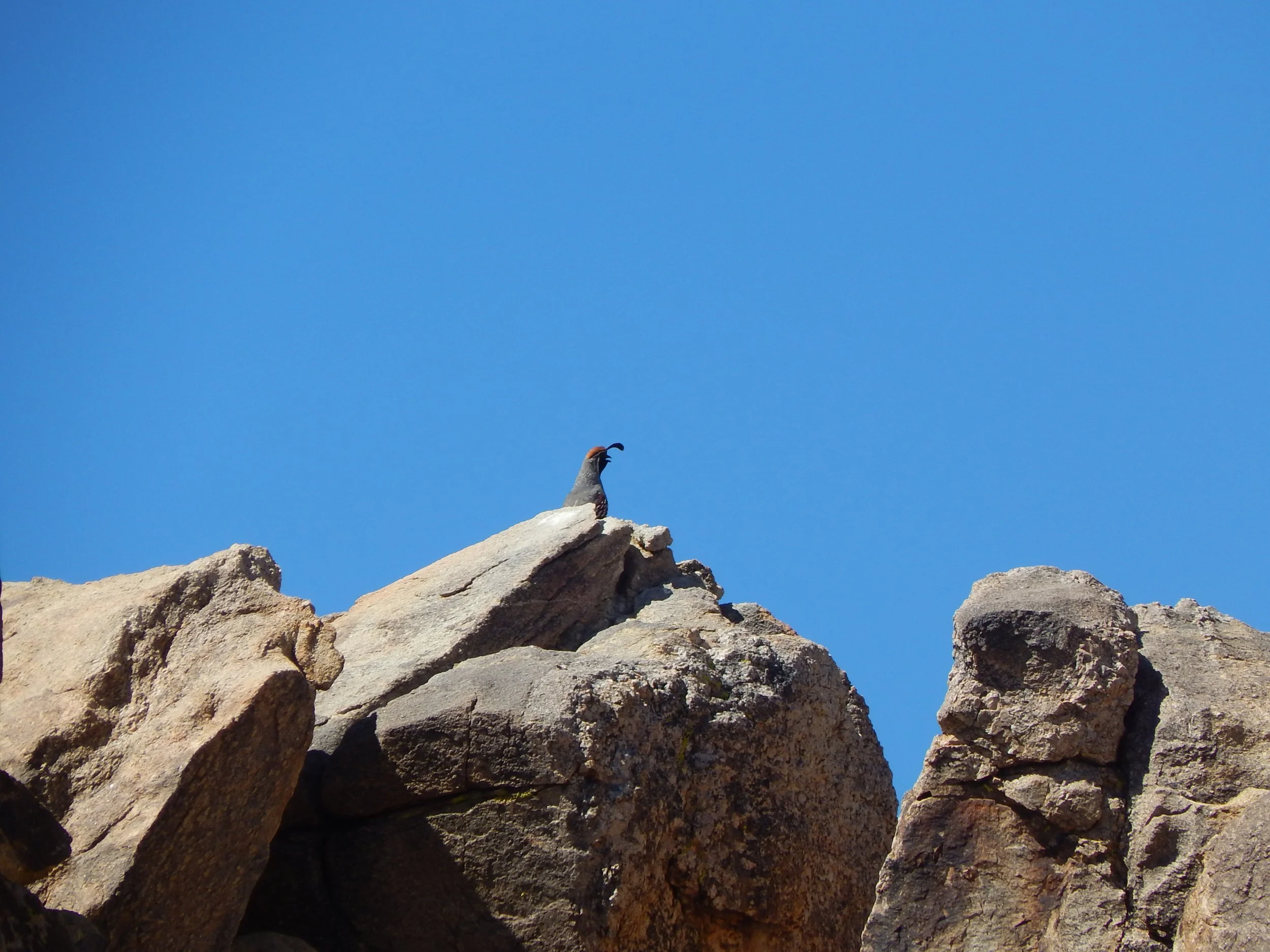
Gambel's quail | Callipepla gambelii
Quail have been recognized as the California state bird but they were also mentioned in both cultural storytelling and have been displayed symbolically on basketry. The bird was a significant food source and benefitted their environment by being a key seed dispersing species.
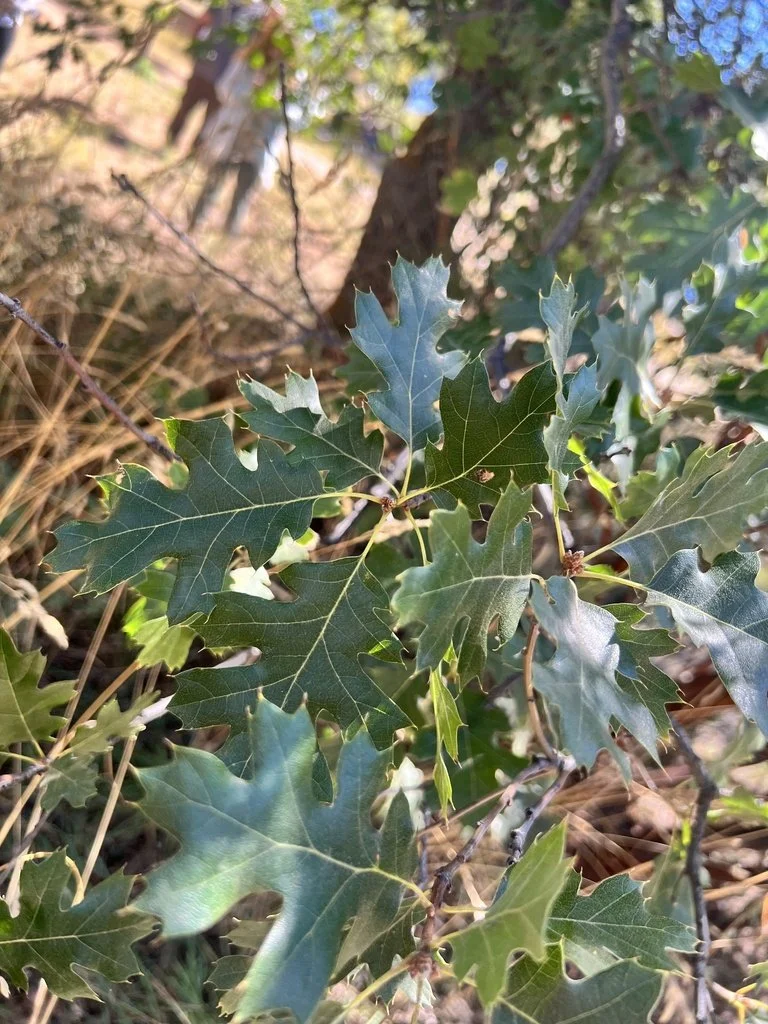
California black oak | Qwinily | Quercus kelloggii
The acorns from the black oak have been a dietary staple for tribes throughout California. They are a rich source of protein and fats, and can serve as materials for tools, utensils, and fuel. Furthermore, Indigenous peoples managed oak woodlands for thousands of years through cultural burning, a practice that increased acorn yields, supported a diverse ecosystem of plants and animals, and maintained the health of the woodlands by preventing conifer encroachment and controlling pests.
Photo Credit: Rachel Gallardo
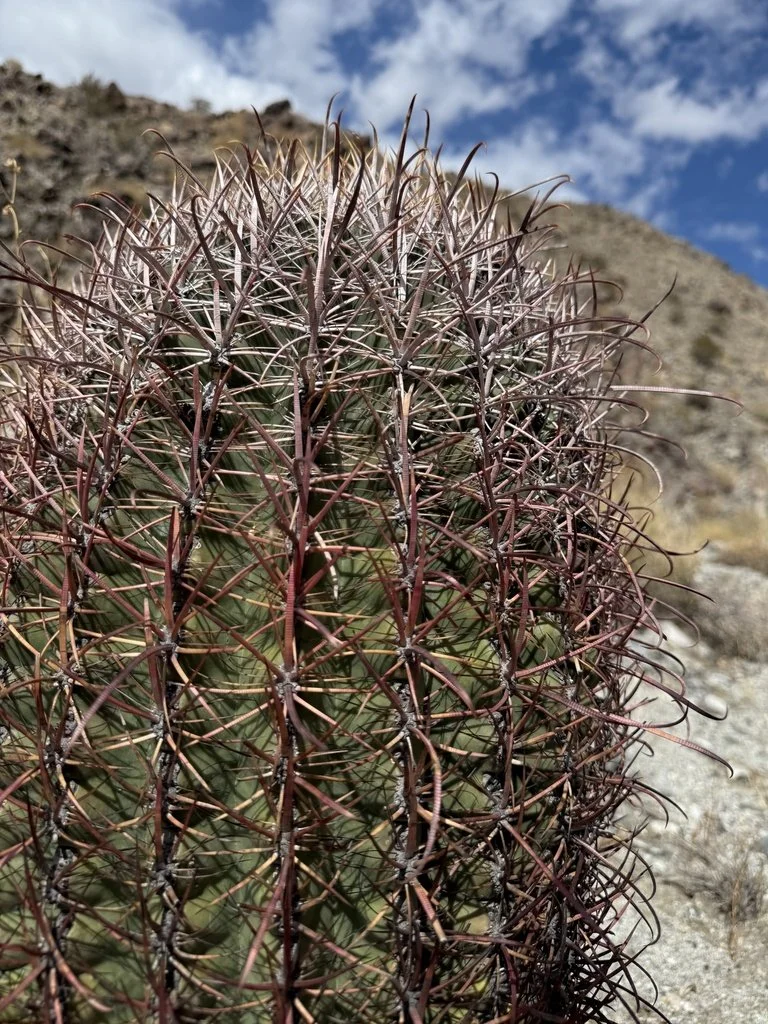
California barrel cactus | Kupash | Ferocactus cylindraceus
The California barrel cactus has multiple uses, the most common being a food source. This cactus bears fleshy fruits (also known as Kupachem), edible flowers, and seeds that all were utilized for cooking and medicinal purposes.
Photo Credit: Rachel Gallardo
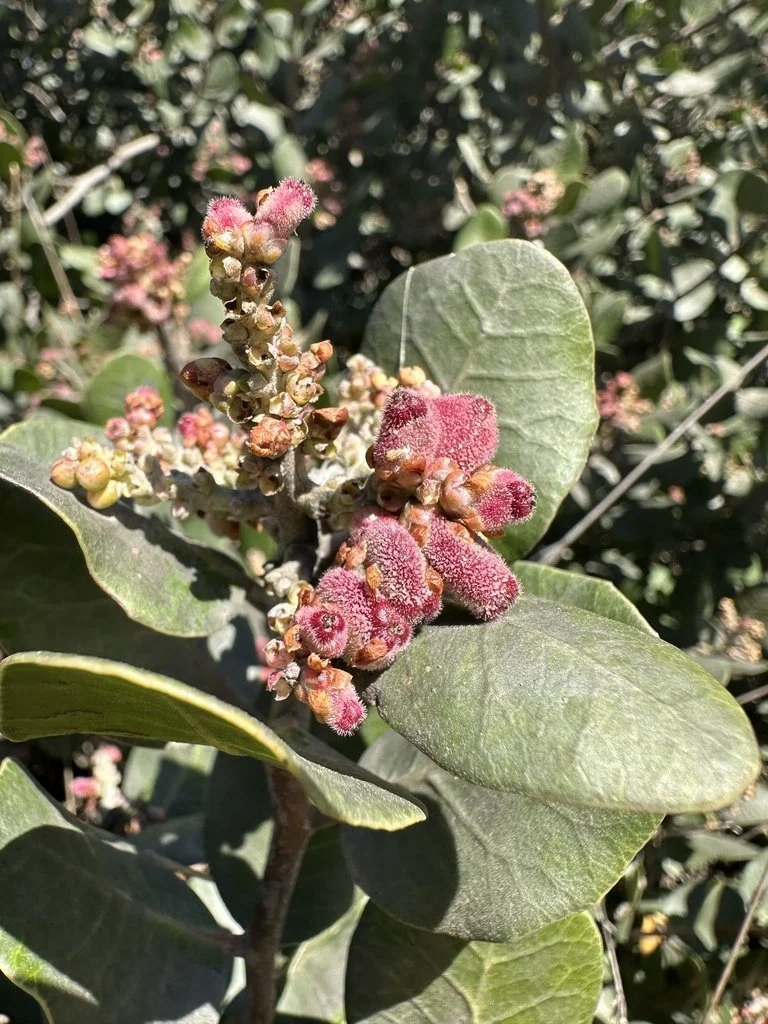
Lemonade berry | Selet | Rhus integrifolia
A few varieties of Sumac were used for food source as well as medicinal and crafting purposes by indigenous peoples, e.g. Rhus trilobata , Rhus integrifolia. Rhus is commonly used as a cold remedy and to treat infection. Parts of this plant could be used to create dyes for basketry.
Photo Credit: Melanie Davis 2024
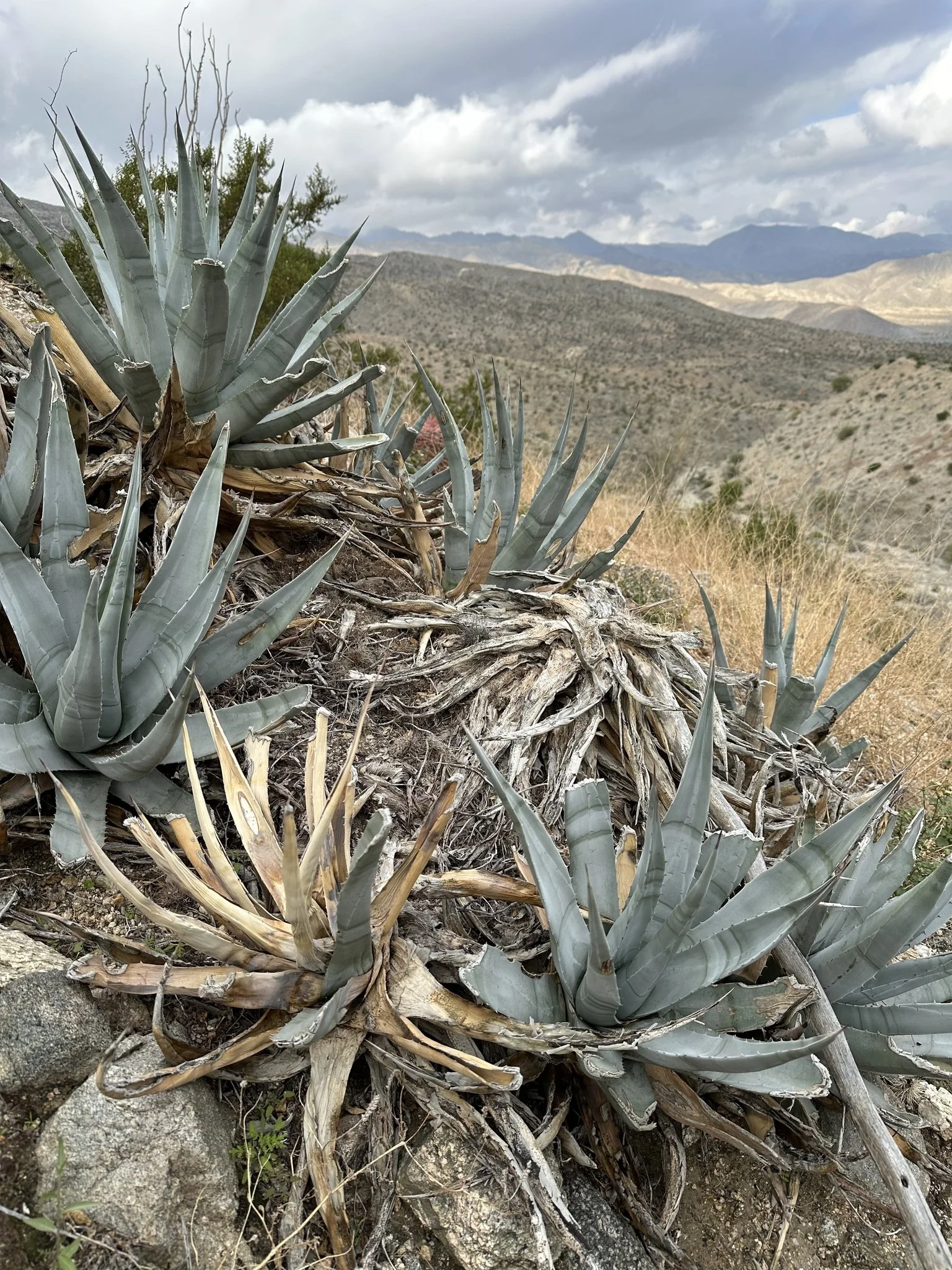
Desert agave | Amul | Agave deserti
Agave is historically recognized for its versatility. All sections of this plant can be eaten, processed into fibers or used as tools such as needles, rope, and fabrics. They were also used in ceremonial practices.
Photo Credit: Melanie Davis 2024
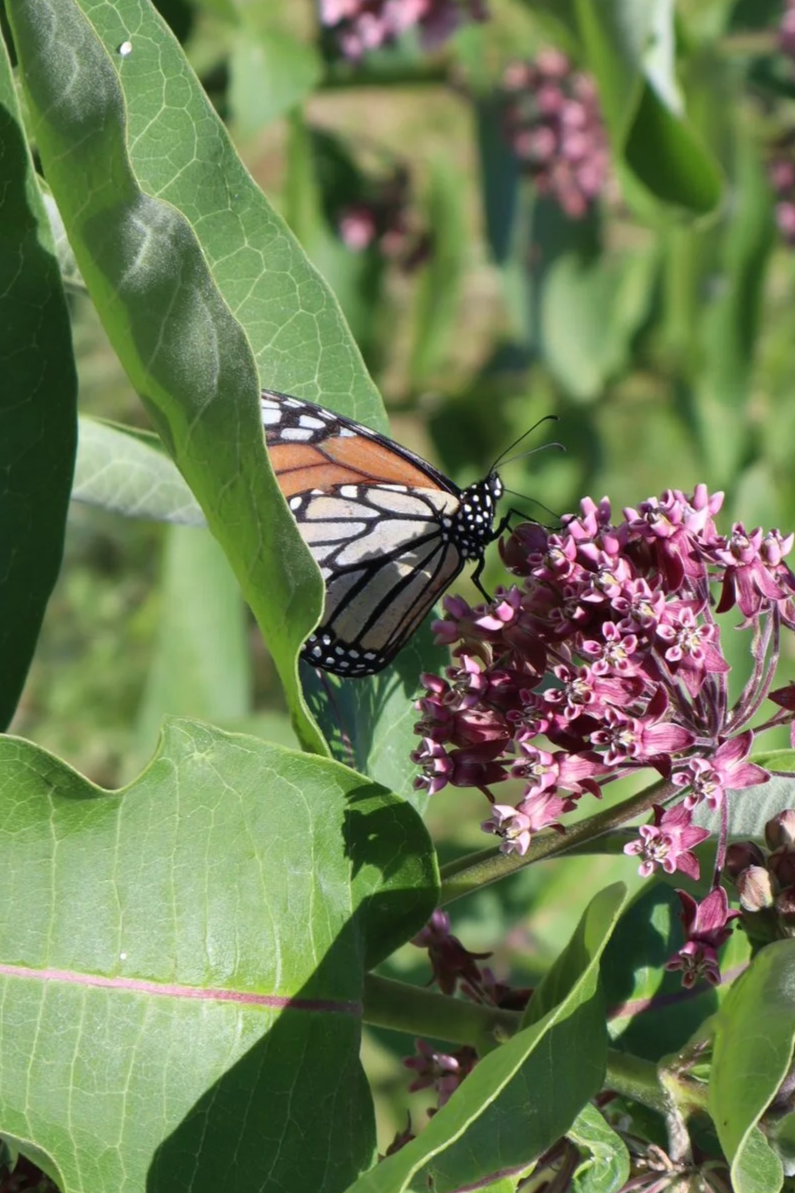
Monarch butterfly | Danaus plexippus
The monarch butterfly is culturally significant in Mexican culture as many relied on them for certain celebrations. They believed to help spirits transition between life and the afterlife.
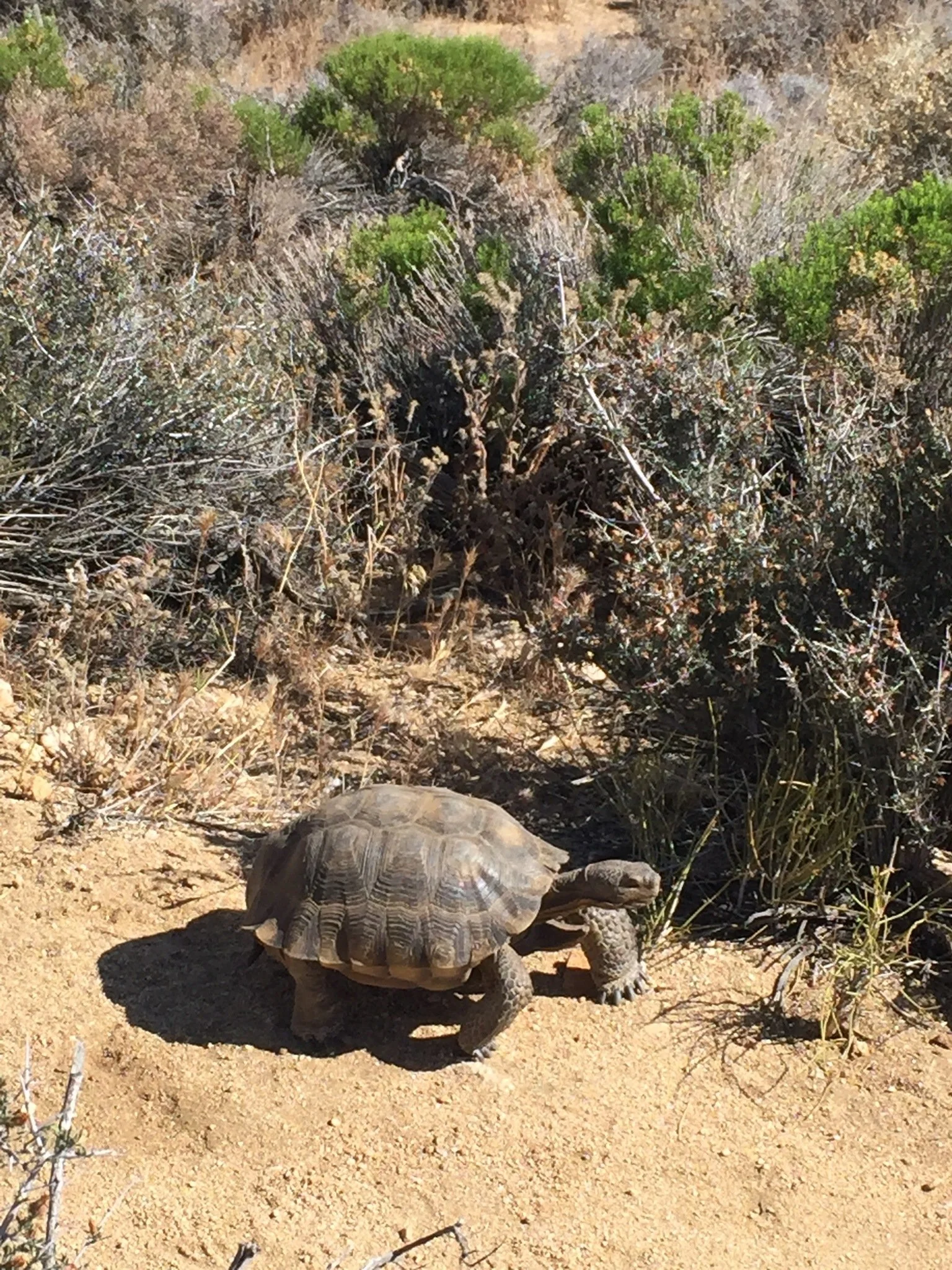
Desert Tortoise | Gopherus agassizii
Desert tortoises are a threatened species in California. Their lifespan can exceed 50 years and may indicate the health of the ecosystem it resides in. Many are being affected by urban development.
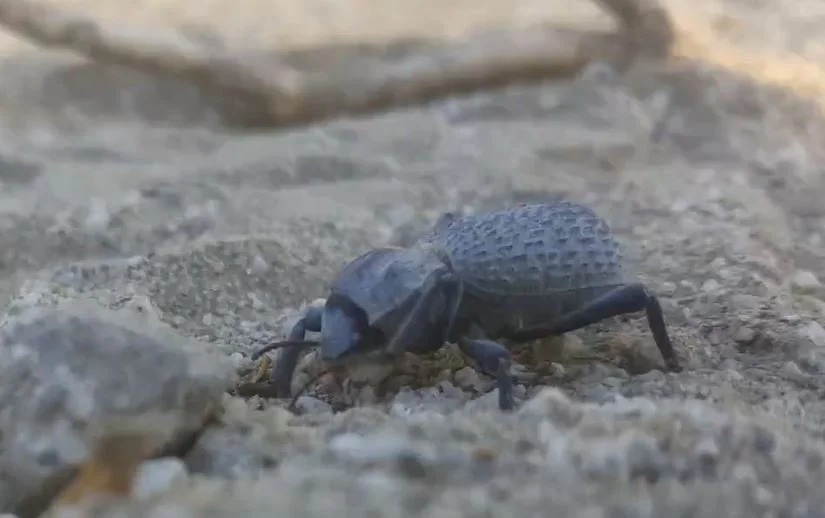
Blue death feigning beetle | Asbolus verrucosus
As discussed in our Community Voices interviews, the blue death feigning beetle has a key trait recognized by community members. As it’s name suggest, the beetle will freeze in it’s tracks when it senses a threat and play dead if staying still does not deter predators.
Basket rush | Seily | Juncus textilis
Basket rush is valued for its variety of colors and is skillfully collected by the Cahuilla, Kumeyaay, and Chumash peoples. As the name suggests, this plant is favored when weaving baskets because of its mendable and strong stems.
Building Foundational Relationships
The following information below is a guide to begin building a foundational knowledge on important issues relevant to the Coachella Valley indigenous community. Upon creating this foundation of knowledge and respect, we hope create space for a more resilient community for the Coachella Valley where all can collaborate in meaningful ways.
-
Water Scarcity: Decreasing water availability impacting traditional water sources and agricultural practices.
Extreme Heat: Increasing temperatures and more frequent heat waves affecting daily life and cultural practices.
Biodiversity Loss: Changes in local flora and fauna impacting traditional food sources and medicinal plants. Growing development impacting both flora and fauna.
Air Quality: Increased air pollution affecting health and sacred lands. Salton Sea, lithium, agriculture, additional traffic, increased wildfires.
Cultural Sites: Threats to cultural and historical sites due to climate impacts like severe weather.
Economic Disparities: Higher vulnerability due to socioeconomic factors, including limited access to resources and infrastructure.
-
Water Resources: Monitoring the quality and quantity of water sources that are critical for the community.
Heat Impact Data: Collecting data on how extreme heat affects health, cultural practices, and daily life.
Biodiversity Monitoring: Tracking changes in local species and ecosystems that are important to tribal traditions.
Air Quality: Expanding air quality monitoring, especially near residential areas and cultural sites.
Health Data: Gathering health data related to climate impacts, including respiratory issues and heat-related illnesses.
Cultural Site Protection: Assessing the vulnerability of cultural and historical sites to climate impacts.
-
Collaborative Research: Conducting research in partnership with tribal communities to address their specific needs and priorities.
Capacity Building: Providing training and resources to tribal members to conduct their own climate resilience research.
Cultural Sensitivity: Ensuring research and interventions are respectful of tribal traditions, knowledge, and belief systems.
Advocacy: Advocating for policies and funding that support tribal climate resilience and environmental justice.
Education and Outreach: Raising awareness about climate impacts on tribal communities and sharing successful adaptation strategies.
-
Cultural Sensitivity: Ensure all research is conducted with a deep respect for tribal traditions and knowledge. Avoid imposing external solutions without understanding the cultural context.
Community Engagement: Engage the community from the outset and throughout the research process. Avoid top-down approaches that exclude community voices.
Sustainability: Focus on sustainable, long-term solutions rather than short-term fixes. Avoid projects that cannot be maintained or have negative long-term impacts.
Transparency: Maintain transparency in research goals, methods, and outcomes. Avoid hidden agendas or lack of clear communication with the community.
Interdisciplinary Approaches: Utilize interdisciplinary methods to address the multifaceted nature of climate issues. Avoid narrow, isolated approaches that overlook important aspects of the problem.
Learning from Others: Study successful programs and learn from their experiences and challenges. Look at models from other tribal communities, university-community partnerships, and international case studies.
-
Local Tribal Councils and Organizations: Engage with local tribal leaders and organizations to ensure programs meet community needs and have their support.
Examples: Torres Martinez Desert Cahuilla Indians, Agua Caliente Band of Cahuilla Indians, Cabazon Band of Mission Indians, Morongo Band of Mission Indians
Environmental NGOs: Partner with non-profits focused on environmental justice and climate resilience
Educational Institutions: Collaborate with local schools, colleges, and universities.
Examples: California Indian Nations College, College of the Desert
Government Agencies: Work with local, state, and federal agencies involved in environmental protection and climate adaptation.
Examples: California Environmental Protection Agency, Bureau of Indian Affairs
Community Leaders: Identify and engage community leaders and influencers who can champion the cause and mobilize others.
Examples: Elders, youth leaders, local activists
Health Organizations: Partner with health organizations to address the health impacts of climate change.
Examples: Coachella Valley Community Health Center, Desert Healthcare District
Building Climate Resilience for Indigenous Communities of the Coachella Valley
View our educational pamphlet to learn more about traditional ecological knowledge (TEK), sustainable actions practiced by the indigenous communities of the Coachella Valley, and ways you can contribute to building climate resilience for your local Indigenous community.
This pamphlet was created in 2025 by Sienna Thomas and Dr. Lynn Sweet, and was designed by Danelle Baronia for UCR’s Center for Conservation Biology.